Bringing Your Baby Home
What helped us bring Buddy and Joy together safely, and get through those first newborn weeks as a family.

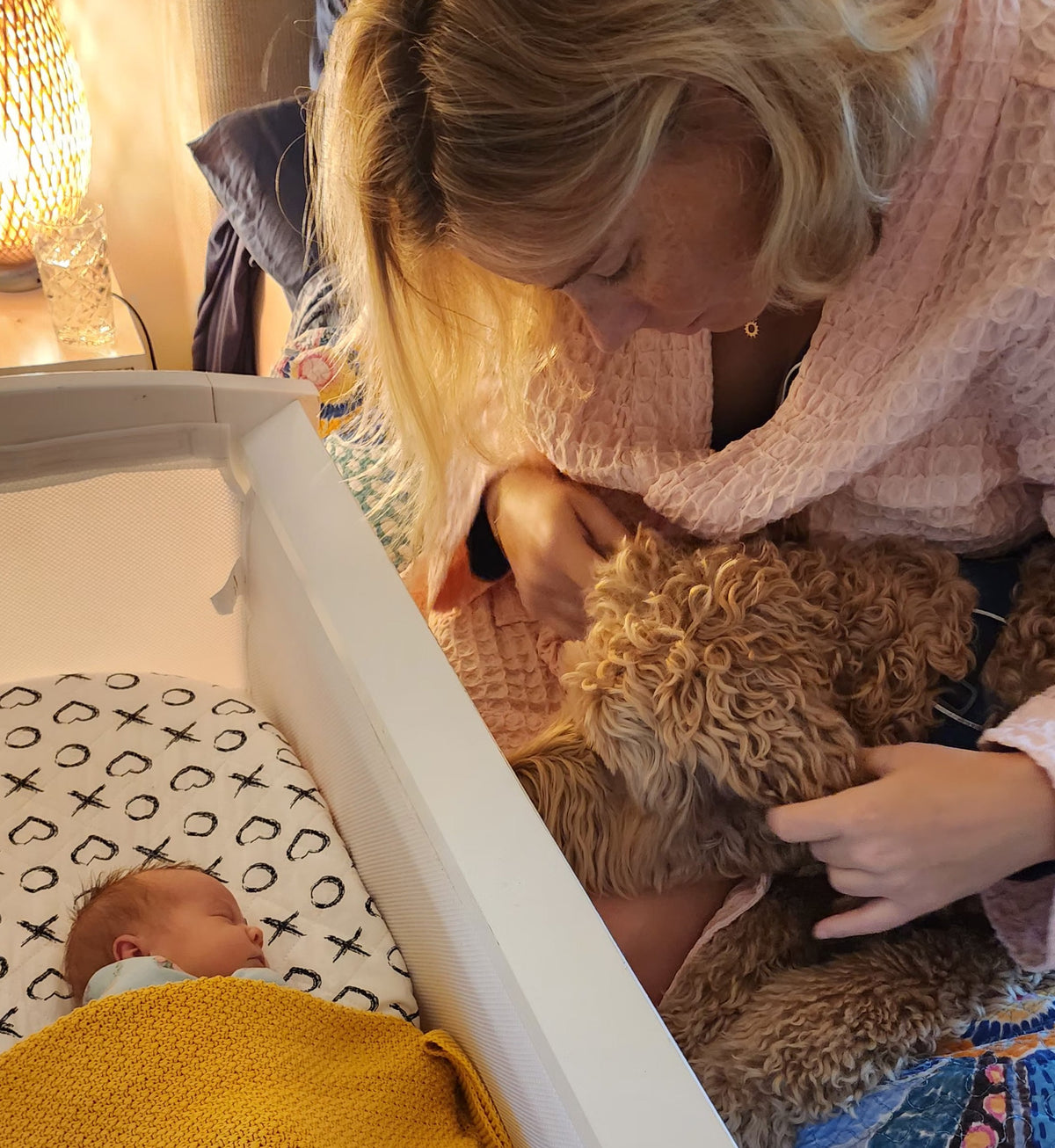
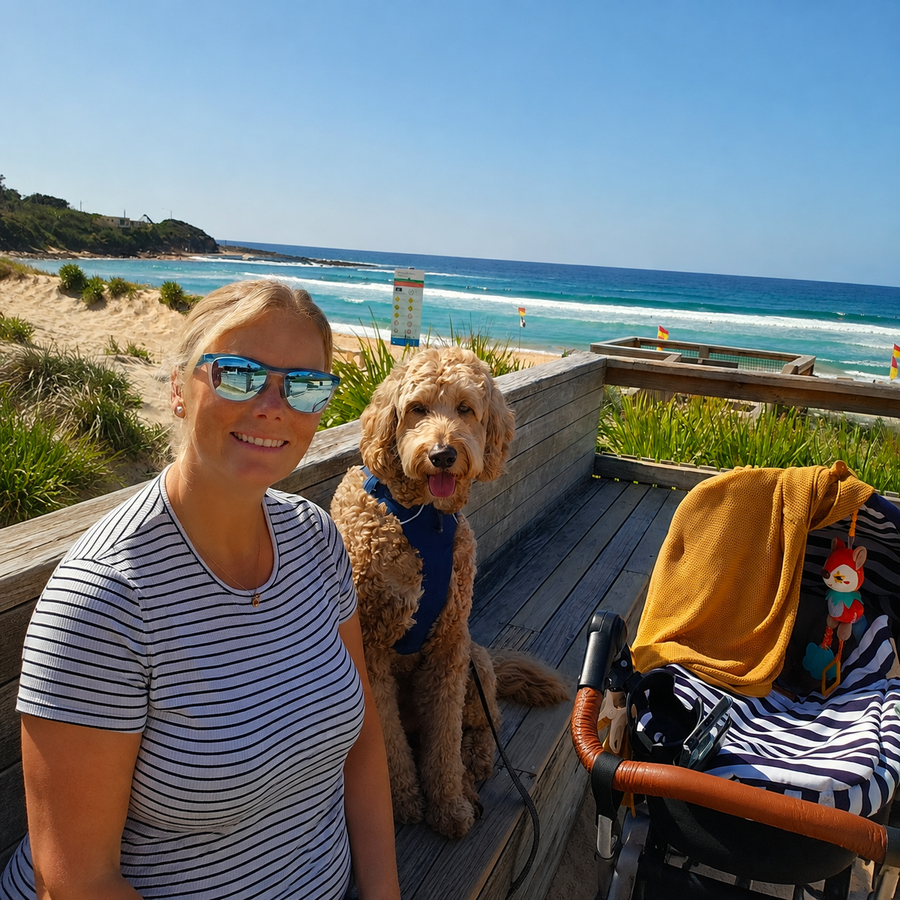
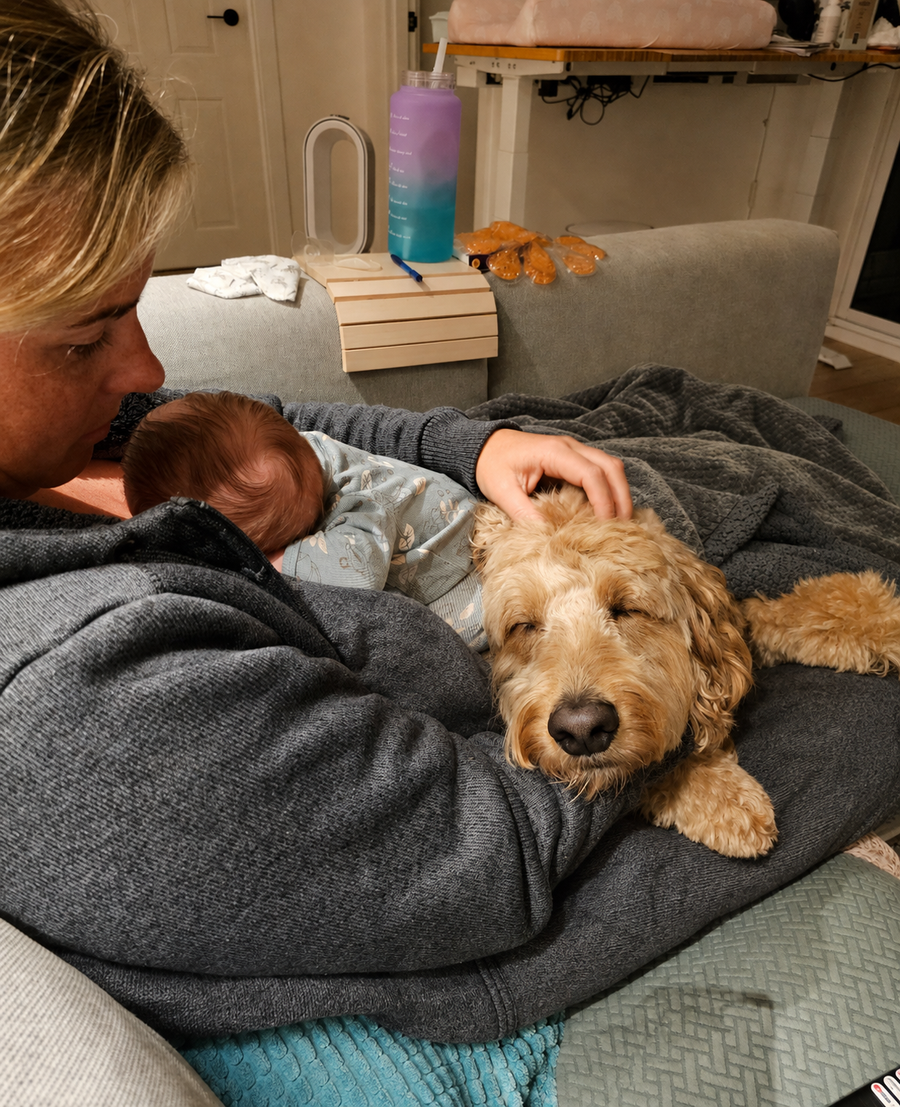
Buddy & Joy meeting for the first time.
The First Meeting Is Only One Moment
For months, I pictured the moment Buddy would finally meet Joy.
Would he be excited? Confused? Nervous? Would he understand that she was staying?
I imagined that first introduction as if it were the big test, the moment that would tell us whether everything was going to be okay.
But bringing a baby home is not one moment. It is a whole series of changes arriving at once.
You have been away. The house smells different. Your body is different. Your attention is divided. There is a tiny new person making unfamiliar sounds, and the whole energy of the home has shifted.
And your dog has no idea why.
What helped us most was slowing the whole thing down. Buddy did not need a dramatic introduction.
“He needed time to come home, find me again, take in the new smells and realise that he still had his place in our family.”

Make a Plan for Your Dog Too
Labour does not always follow the plan.
Your due date is only an estimate. Complications can change where you deliver, how long you stay and who needs to remain with you.
One thing I would organise before those final weeks is more than one care option for your dog. We learned very quickly that things do not always go as planned.
- A primary carer
- A backup carer
- Someone who can help overnight
- Someone who can step in with very little notice
Choose people your dog already knows wherever possible. This is not the week to introduce a stranger and try to explain your dog’s entire routine, personality and quirks over the phone.
Give Your Support Person the Practical Details
- Feeding amounts and times
- Usual walks and routes
- Medication
- Where your dog sleeps
- The cues they understand
- Anything that makes them anxious
- Their vet and emergency contacts
- The harness and lead setup they normally use
Pack a bag for your dog just as you pack one for yourself. Include their food, medication, lead, harness and something familiar such as their bed or blanket if it helps them settle.
The aim is not to prepare for every possible scenario perfectly. It is to make sure one unexpected change does not leave you trying to organise your dog’s care from a hospital room.
When Our Plan Changed Completely
We had made a plan for Buddy. Friends were going to take him for walks, and we expected Scott would still be able to stay with him at night.
Then the delivery became more complicated than expected. We ended up at a different hospital, and Scott needed to stay there with me. Suddenly, the plan we had carefully made no longer worked.
This added another layer of stress because we do not have family in Australia. Our families are all overseas, so there was no parent or sibling nearby who could simply collect Buddy and take over.
We had to improvise. Luckily, Buddy’s holiday carer was able to step in at short notice. This was not a completely unfamiliar place. Buddy already knew the carer, felt comfortable there and got to play with some of his best dog friends.
So while we were dealing with a delivery that looked nothing like the one we had planned, Buddy effectively had a little holiday of his own. We got very lucky. He was safe, happy and being cared for by someone he already trusted.
But the experience also showed me that having one plan was not enough. Especially without family nearby, I would organise this earlier and build in more backup than I thought we would need.

Choose the Most Familiar Care Option for Your Dog
Some dogs will be happiest remaining in their own home, with a trusted person visiting or staying overnight. Others may be completely comfortable staying with a familiar friend, pet sitter, family member or holiday carer they already know.
What matters most is choosing something your dog already knows where practical. RSPCA Australia recommends preparing dogs gradually for the arrival of a baby, keeping familiar parts of their routine where practical and tailoring the plan to the individual dog.
If Your Dog Stays at Home
For a dog that becomes unsettled in unfamiliar environments, remaining at home may mean less disruption. Try to preserve:
- Normal feeding times
- Familiar walks and routes
- Their usual sleeping place
- Care from someone they already know
- Regular company and exercise
A few quick visits a day may not be enough for every dog. It is worth thinking about how your dog normally copes alone, and whether overnight company may help.
If Your Dog Stays Somewhere Else
Use a person or place your dog already knows wherever possible. If the arrangement will be new, introduce it before the birth through visits, daycare sessions or a short trial stay. Send:
- Their normal food and medication
- Familiar bedding
- Usual lead and harness
- Written care instructions
- Veterinary and emergency contacts
For Buddy, staying elsewhere worked beautifully because it was already somewhere he associated with people and dogs he loved. That was what worked for Buddy. It is not a rule for every dog.
Keeping Things Familiar While You Are Away
Whether your dog stays at home or somewhere else, familiar elements can help make your absence feel less abrupt. A dog who seems clingier, quieter or a little unsettled is not necessarily being difficult. Their routine has changed, and one or both of their people have suddenly disappeared. Give them time and support rather than punishing behaviour that may be connected to stress or uncertainty.
We Brought Joy’s Blanket Home First

We also brought one of Joy's blankets home before Buddy met her. It was a small thing, but it gave him the chance to investigate her scent in his own time, while he was staying with his carer.
We did not treat it like a test. It was simply there for him to sniff and get used to before he met her.
That mattered to us because Joy's scent was going to be completely new, but the blanket also carried the smell of the people he already knew and trusted.
RSPCA Australia recommends allowing a dog to become familiar with a newborn's scent before the first face-to-face introduction and rewarding calm behaviour around it.
A blanket is not a guarantee that the introduction will go smoothly. For us, it was simply one small way to make Joy feel a little less unfamiliar before Buddy came home.
How We Actually Brought Buddy Home
I had spent so much time worrying about how Buddy would cope without me that I had not really thought about how much I would miss him.
After everything that happened with the delivery, I wanted him home. But I also knew that bringing him back the moment we walked into the apartment would not help any of us. So we gave ourselves the first night to settle with Joy.
Buddy stayed with the carer he already knew, playing with his friends and being looked after somewhere he felt comfortable. He came home the following day, once we had caught our breath and the apartment was calmer. That extra night gave us time to arrive properly.
The dog carer gave Buddy a good walk and run before bringing him home to us mid-morning. By then, we had already spent our first night with Joy and had a little time to settle into the apartment.
I had settled into the bedroom with Joy before Buddy arrived. When he came through the door, I went out to greet him on my own. I had missed him so much. There was no baby in my arms during that first reunion. Just Buddy and me.
Then we let him investigate. He wandered through the apartment, sniffing each room and taking in the new smells at his own pace. We did not immediately lead him towards Joy, and we did not hold the baby out for him to inspect. We let Buddy come home first.
Only once he had explored and visibly settled did we open the bedroom door. He came in on his lead, and we had treats ready so we could quietly reward his calm behaviour around Joy. Keeping him on lead gave us control over the distance. The treats helped us reinforce calm behaviour without forcing or luring him closer.
We wanted Buddy to feel included, but we also wanted our newborn to be safe. We did not want Joy’s arrival to immediately mean Buddy was pushed away or constantly told no. But we were also not going to leave the interaction to chance.
And then he met her. No grand performance. No perfect pose. No pressure for him to instantly fall in love. Just Buddy carefully taking in the newest member of his family.
“The goal was to give Buddy a positive first experience while keeping the introduction calm, controlled and safe for everyone.”

Watch: Buddy’s First Meeting With Joy
We filmed the introduction exactly as it happened. There were no retakes and no attempt to manufacture a perfect moment.
What you see is simply Buddy meeting his new little sister for the first time, on lead, with treats ready to reward his calm behaviour and enough space to approach at his own pace.
Buddy meeting Joy for the first time. We kept him on lead, had treats ready to reward his calm behaviour and allowed him to approach at his own pace.
Buddy Chose to Keep His Distance
Buddy was incredibly respectful around Joy from the beginning. He wanted to be included, but he was not all over her.
He would lie at the foot of the bed, close enough to be part of what was happening, but still keeping a natural distance. Every now and then, he would come a little closer for a sniff. Mostly, he watched.
It felt as though he intuitively understood that she was small and that he needed to be gentle around her. That made the situation easier for us to manage because we were not constantly trying to move him away or calm him down.
But every dog will respond differently. Some dogs may want more distance. Others may be more excitable, curious or unsure. Buddy’s response was his own, and we still supervised every interaction closely.
“What mattered was that we respected the distance he chose and did not pressure him to come closer just because we wanted a picture-perfect moment.”

Making the First Meeting Calm and Safe
Let Your Dog Arrive in a Calmer State
For Buddy, a good walk and run before coming home helped release some of his energy. That was part of our experience, not a rule that every dog must be heavily exercised before meeting a baby. The broader goal is to avoid combining the excitement of returning home with unnecessary pent-up energy or overstimulation.
Greet Your Dog Without the Baby First
You have been away too. Give your dog an opportunity to reconnect with you before introducing another enormous change. For us, this was not only a practical decision. It was an emotional reunion.
Let Them Investigate the Home
Your home may smell different after hospital bags, baby clothing and new people have moved through it. Allow your dog to explore without immediately directing them towards the baby. There is no need to rush the introduction just because everyone is waiting for the big moment.
Use a Lead Without Pulling Them Forward
We kept Buddy on lead so we could manage the distance without forcing him closer. If you choose to use one too, the aim is control rather than pulling the dog towards the baby. RSPCA Australia advises that the first face-to-face introduction should be gradual, carefully supervised, with the dog on lead and allowed to choose whether to approach. A few things that may help:
- Approach if they feel comfortable
- Remain at a distance
- Turn away
- Leave the room
All of those can be appropriate responses.
Keep the First Interaction Brief
You do not need to achieve a long cuddle or a perfect family photograph. A few calm seconds can be enough. End the interaction while everyone is still comfortable rather than waiting until your dog becomes overwhelmed. If your dog shows stress or over-excitement, create more distance and try again later.
Reward Calm Behaviour and Help Your Dog Feel Included
We had treats ready during Buddy’s introduction so we could quietly reward his calm behaviour and help him feel included. We were not using food to lure him towards Joy. We kept him on lead, controlled the distance and allowed him to decide how close he wanted to be.
Quiet praise, a small treat or gentle affection can help reinforce calm behaviour and create a more positive association with the baby. The American Veterinary Society of Animal Behavior recommends reward-based training methods for all dog training and behaviour modification.
If your dog seems uncertain, moves away or shows discomfort, that is them communicating with you, not misbehaving. Give them the space they are asking for.
Learn to Read the Quiet Signs
Buddy showed us what this could look like in real life. He stayed nearby, watched from the foot of the bed and occasionally came closer for a sniff, but he never crowded Joy.
Your dog does not need to be fascinated by the baby. They do not need to sniff every blanket, lie beside the bassinet or appoint themselves as the baby’s protector.
A dog who briefly looks and walks away may be coping extremely well. A dog who chooses to rest in another room is not rejecting the baby. They are choosing distance, and that is a safe and sensible response. RSPCA Australia advises allowing the dog to choose whether to approach and ensuring they can move away when they want to. The goal is not instant affection. The goal is calm, predictable coexistence.
Learn to Read the Quiet Signs
You do not need to become a dog behaviour expert overnight. It is simply useful to start noticing the quieter ways your dog may ask for more space. Dogs do not always growl the moment they become uncomfortable. Often, they communicate much earlier and much more subtly. You may notice:
- Turning their head or body away
- Avoiding eye contact, lip licking or frequent blinking
- Yawning when they are not tired, or panting
- A lowered or tucked tail, or tense, unusually still posture
- Repeatedly trying to leave
- Refusing treats they would normally accept
RSPCA Australia identifies turning away and lip licking as possible signs of stress and advises giving dogs sufficient rest and space. These signals are information, not misbehaviour. Create more distance, shorten the interaction and allow your dog to move somewhere they feel comfortable.
If your dog growls, snaps, guards resources or displays another concerning behaviour, stop the interaction and seek help from your veterinarian or a suitably qualified reward-based behaviour professional.
Nobody Gives You a Manual When They Hand You a Baby
That still feels completely insane to me. You need lessons and a licence to drive a car. Training to use machinery. Qualifications for jobs where another person’s wellbeing depends on you.
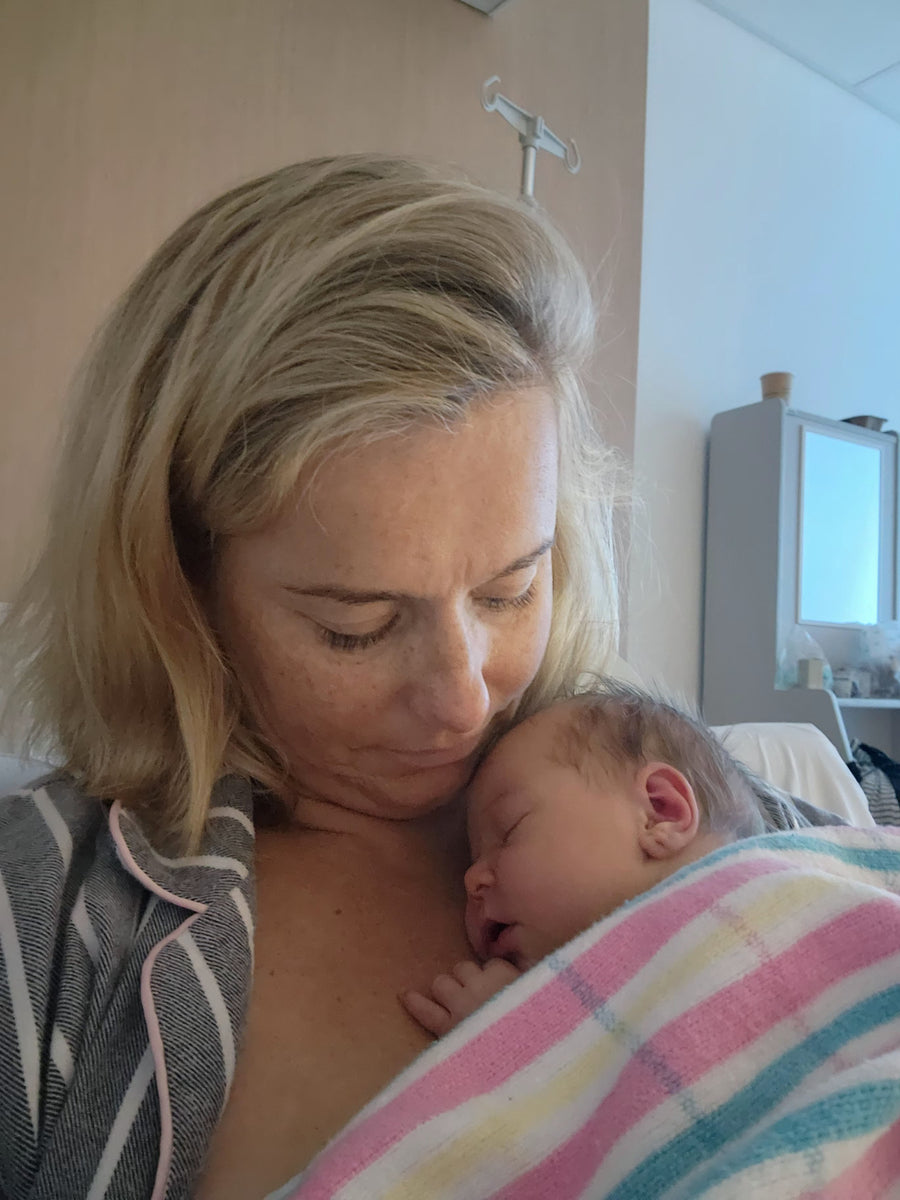
But then you give birth, someone places a tiny human in your arms and sends you home. No exam. No step-by-step instructions. Just a newborn, a body full of hormones, almost no sleep, a huge scar across my stomach and the sudden realisation that I was now responsible for keeping this tiny person alive.
People talk so much about pregnancy and birth that it can feel like delivery is the finish line. Then you come home and realise the hard part did not end. It simply changed shape.
There is breastfeeding, the pain, the bleeding, the hormonal crash, the sleepless nights and the constant mental checklist running through your head. Is she feeding enough? Is she gaining weight? Is she breathing properly? Am I doing this right?
I remember waking up screaming because I was convinced I had fallen asleep with Joy on my chest. She was safely in her cot. But in that half-awake moment, my whole body reacted as though something terrible had happened.
There were the night sweats. The exhaustion. The physical recovery. The adjustment to breastfeeding. The constant alertness. Sometimes I felt a huge wave of rage come out of nowhere. It was frightening because it did not feel like me.
And somewhere in all of that, you may also be looking at your dog and wondering whether you are doing enough for them. I felt that too.
We are strong women. In many ways, we are superheroes. But we do not have superpowers. We still need sleep. We still need food. We still need time to heal. We still need help.
“You are allowed to work through it. You are allowed to rest. You are allowed to keep your circle small.”
A note for new mums: Intense worry, feeling constantly on alert and struggling to function can be signs that you need more support after birth. Pregnancy, Birth and Baby advises speaking with your doctor, midwife or healthcare team if anxiety is affecting your daily life. You do not have to manage frightening thoughts, rage, anxiety or feeling permanently on edge alone.
We Also Brought Back a Familiar Daycare Day
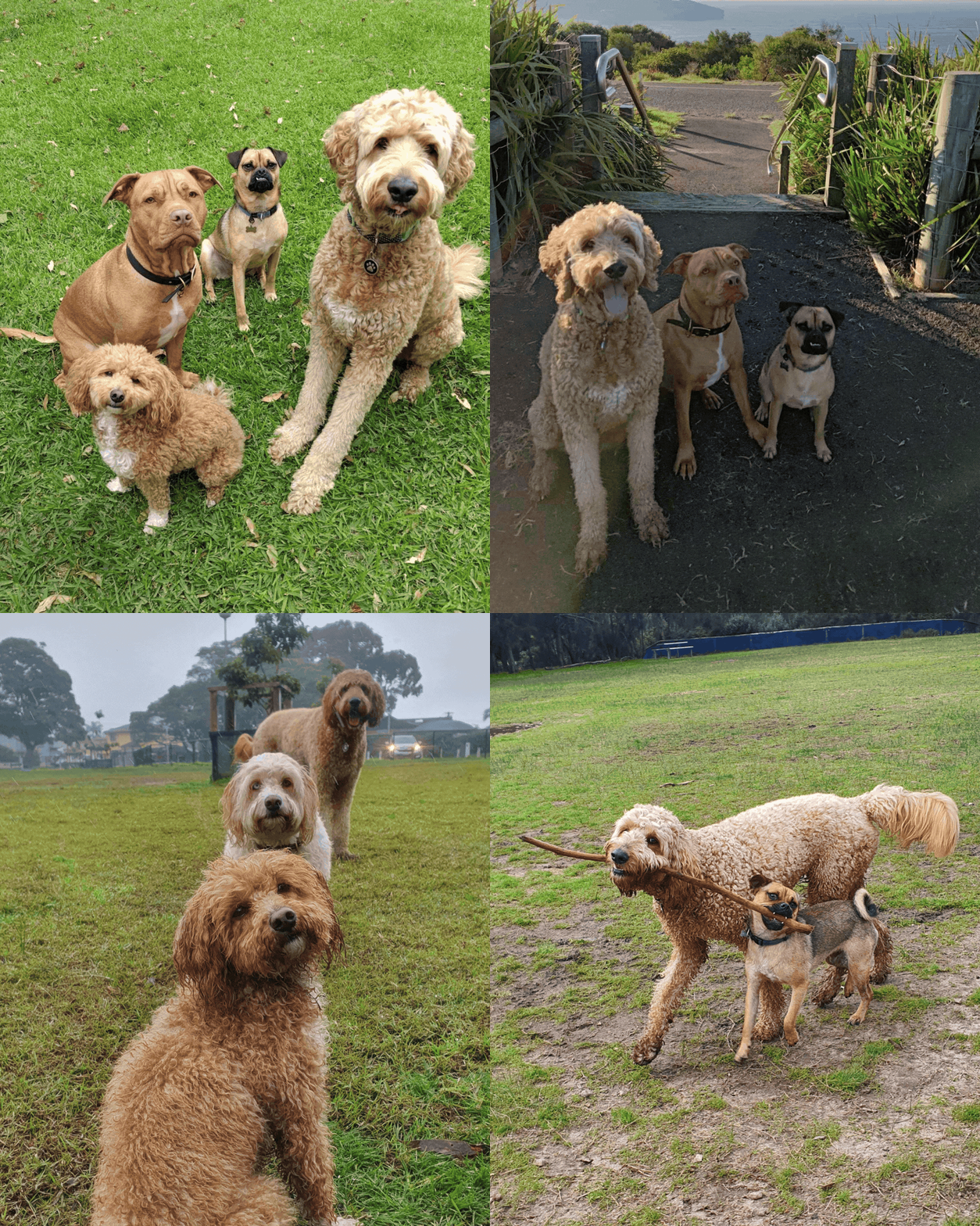
We started sending Buddy to a nearby doggy daycare once a week. It was not new to him. He had gone there as a puppy on the days when Scott and I were both in the office for a long stretch, so he already knew the place, the people and the routine.
It gave him a chance to run, play and use up some of that big Buddy energy. At home, he was incredibly calm and respectful around Joy. He naturally kept his distance, watched from the foot of the bed and seemed to understand that he needed to be gentle.
Sometimes it felt like he was almost holding part of himself back inside the apartment. Then we would get to daycare and the full puppy energy came flying out again. Zoomies. Big bursts of excitement. That bold, happy Buddy we knew so well.
It felt like he was working out where it was safe to be calm and careful, and where he could let himself be completely wild and joyful again. That made daycare useful for more than just exercise. It gave Buddy a familiar place where he did not need to be quiet, measured or cautious around a newborn.
For Buddy, bringing back one familiar daycare day worked really well because he already knew and loved it. I would not introduce a busy daycare environment purely because a baby has arrived if your dog has never enjoyed that kind of setting before.

The First Trips With Both of Them
When Scott returned to work after those first two weeks, leaving the house started to feel different. I knew I felt better on the days I got fresh air and went for a walk. Getting outside was good for Buddy, good for Joy and good for me.
But the thought of taking both of them out on my own still felt overwhelming. We had practised walking beside the pram. We had prepared Buddy as much as we could. But I was not the same person I had been before giving birth. My confidence changed from one day to the next.
And it did not all depend on me. Joy could have a day where she wanted to feed constantly, and suddenly the plan to leave the house disappeared while I spent hours on the couch cluster feeding. That was one of the hardest adjustments. You simply do not have complete control over the day anymore.
At the same time, the responsibility I felt for this tiny newborn was enormous. That anxiety made me question things I would never have thought twice about before, including driving.
Before Joy, getting Buddy into the car was ordinary. After Joy, every part of the trip felt like another decision I had to get right. Was she secure? Was Buddy settled? Could he move towards her? Would I be distracted if he did?
It would have been easy to wait until Scott was available or decide that taking Buddy was simply too difficult. But I was determined not to let Buddy become the one who was always left behind. I also did not want fear to stop the three of us from getting out together.
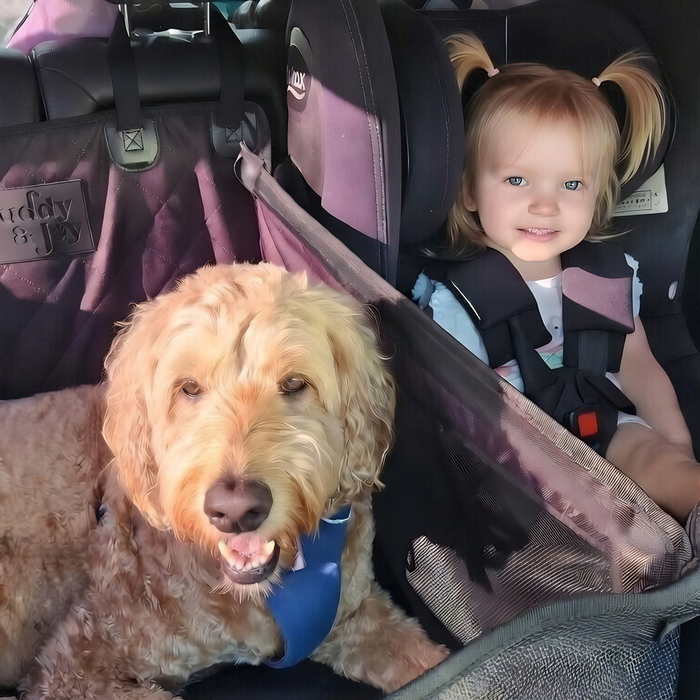
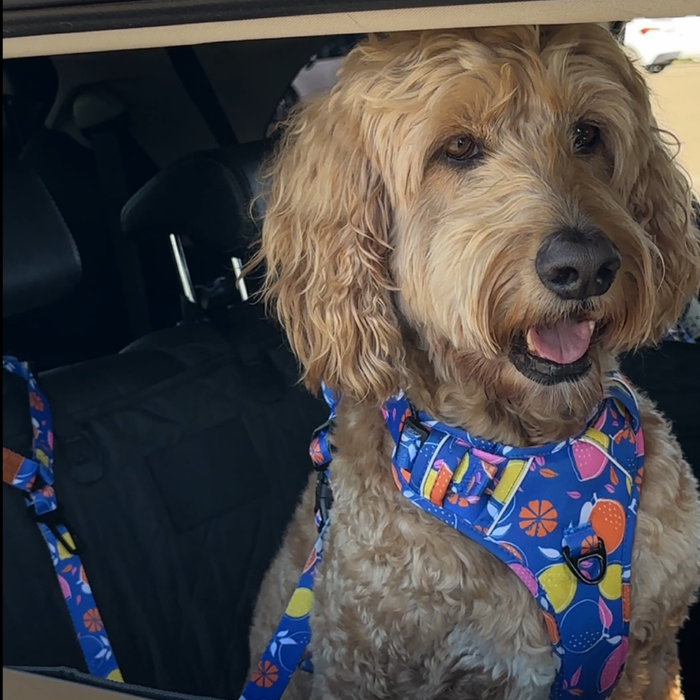
Before Joy, Buddy had most of the back seat. Now they needed to share it. I needed Joy’s child seat to remain completely clear and properly installed. I needed Buddy to have enough room to travel comfortably. And I did not want him moving across towards her while I was driving.
Every time a dog moves towards the baby, the instinct is to react. You look back. You reach behind. You try to move the dog away. And for that moment, you are no longer looking at the road. That was not something I was willing to accept as our normal way of travelling.
“I was determined not to leave Buddy behind. I still wanted the three of us to get out together.”

Why I Created the Buddy & Joy Dog Car Hammock
I could find full-width dog hammocks that took over the whole back seat. I could find smaller covers that protected part of the upholstery.
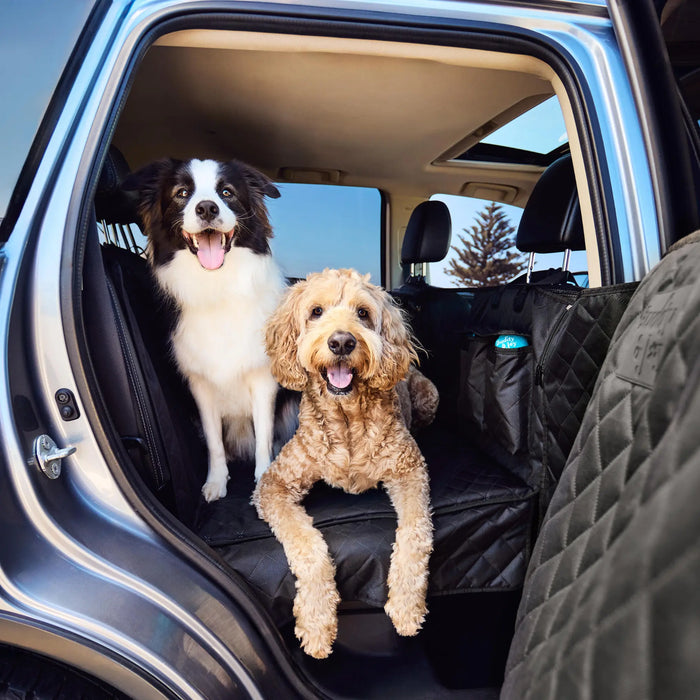
What I could not find was a setup designed for a real family car, where a baby and a large dog needed to travel beside each other. What I really wanted was something that gave Joy her space and Buddy his, without me constantly checking behind me. That is why I created the Buddy & Joy Dog Car Hammock.
It gives Buddy a defined space across approximately two-thirds of the back seat while leaving the remaining seat area clear for Joy’s child seat or another passenger. The reinforced central barrier helps keep his space defined, and the rigid base extends his usable space into the footwell.
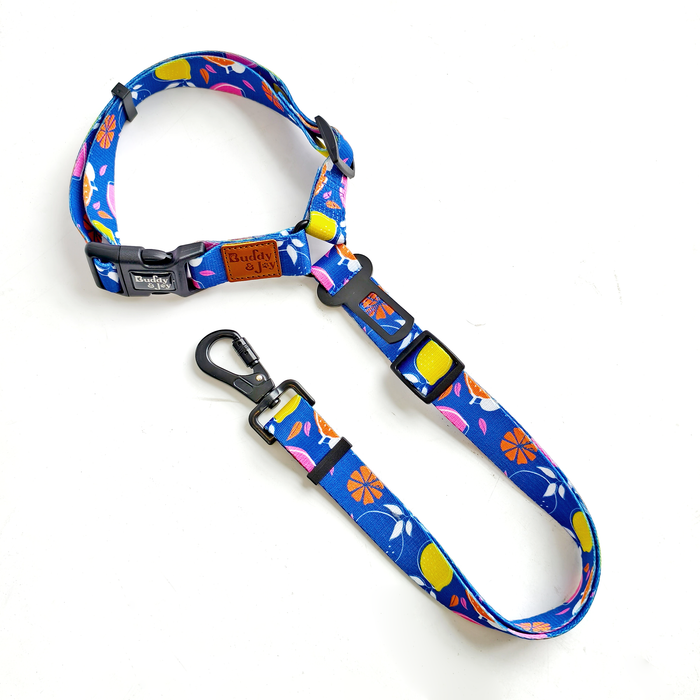
To further reduce distraction and risk while driving, we recommend pairing the hammock with a car security lead.
Dog Car Hammock
- Defined travel space across roughly two-thirds of the back seat
- Reinforced central barrier to help keep each space defined
- Rigid base extending into the footwell for extra room
- Integrated door cover to protect against mud and scratches
- Seatbelt access remains available for the dog’s restraint
- Not a dog restraint and not crash-tested
Car Security Lead
- Passes through the hammock’s seatbelt-access opening
- Attaches via the seatbelt buckle or a suitable headrest, depending on setup
- Always attaches to a harness
- Never attaches to a collar


Dog Car Hammock
A defined space, every trip


Car Security Lead
Secures to a harness, never a collar
What Success Looked Like for Us

Success was not Buddy immediately curling up beside Joy as though he had always known her. It was smaller than that.
He came home. He found me. He explored. He met her when he was ready. Then we built their relationship gradually, one calm moment at a time.
That first introduction mattered. But what mattered even more was everything we did afterwards. Respecting his signals. Protecting his space. Keeping him included. Giving him places where he could still be his big, bold, happy self. And never expecting him to manage more than he could handle.
“They did not need to become best friends on day one. They had plenty of time for that.”
The Bringing Baby Home Checklist
Save this stage's checklist and come back to it whenever you need to, rather than trying to remember it all at once.
Sources & Further Reading
- RSPCA Australia — Will my newborn baby be safe around my dog?
- RSPCA Australia — How do I introduce a new dog or puppy to children?
- AVSAB — Position statements and handouts
- Pregnancy, Birth and Baby — Postnatal anxiety
This guide combines our personal experience with general educational guidance from recognised animal-welfare, veterinary and maternal-health resources. Every dog and family is different. Speak with your veterinarian or a suitably qualified reward-based behaviour professional for advice about your dog, and with your GP, midwife or healthcare team if you are worried about how you are feeling after birth.